The growing trend of opting out of vaccination has started showing disastrous results – the ongoing outbreak of measles across Europe and the US. Children, in the US, must produce proof of vaccination to get into the public school system. France and Italy have mandatory vaccination policies for school going kids.
Places or pockets recording a fall in the vaccination cases are showing an increase in the number of people suffering from diseases preventable by vaccination. The question therefore arises – should vaccination be made compulsory?
Lawmakers of various states are now contemplating to abolish the ‘opt-out’ right for parents those are against childhood vaccination owing to their personal choice. You may have the choice to be willfully sick. But when this right clash with another person’s right to be healthy, automatically it terminates your willful rights.
Reasons to vaccinate your child:
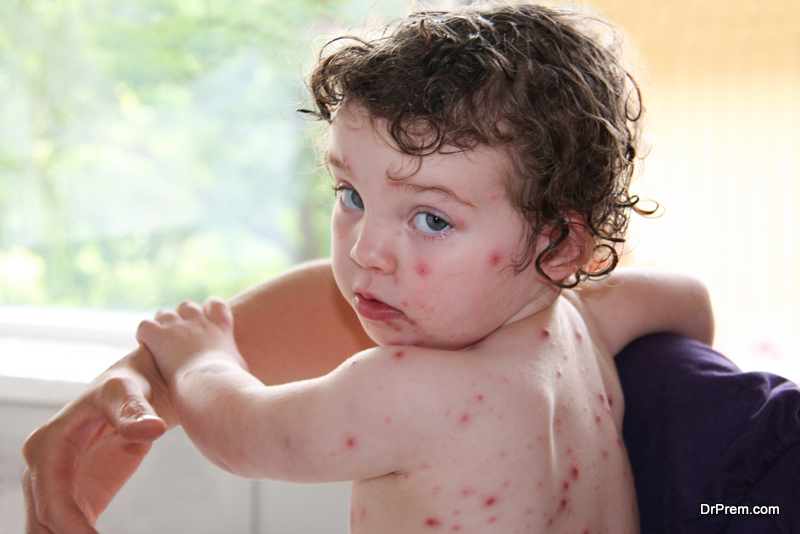 Vaccination is more of a preventive step towards a particular disease(s), and prevention always pays off. Overwhelming medical evidences have proved that vaccination is effective, safe with rare or negligible side effects.
If you are keen to safeguard your child from deadly contagious diseases, you have the following reasons to vaccinate your child:
- Immunizations can be life-saving thanks to the medical advancements where a child can be covered from more ailments through immunization than ever before.
- Vaccination provides protection for those you care about.
- Vaccination stimulates our immune system in a natural way to fight diseases.
- Compulsory vaccination has either wiped out or reduced the impact of some devastating diseases like smallpox, Rinnderpest, polio etc.
- Vaccination protects families and citizens from the adverse economic impact of diseases.
To what extent are vaccines dangerous?
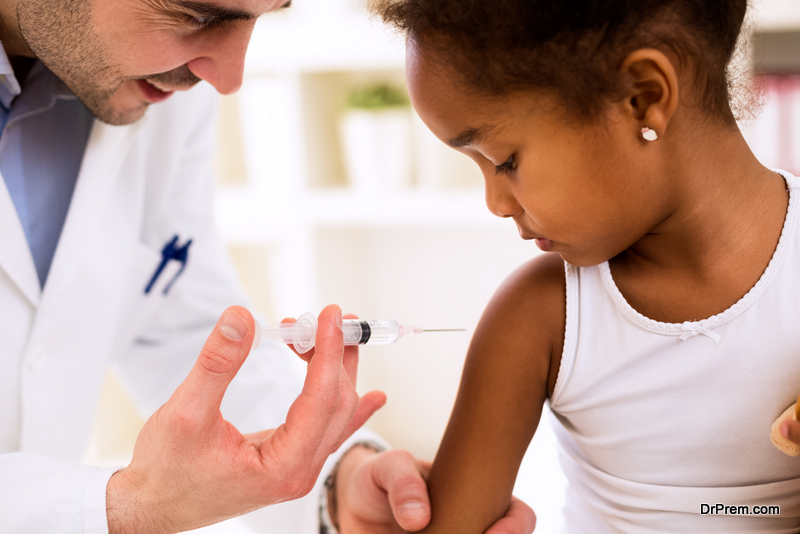 While debating whether vaccination should be made compulsory or not, it is wise to have an understanding of vaccines and their actions in the human body. A child has some inherited immunity since birth but this is short-lived. To make the child able to combat life-threatening diseases, he/she should develop his/her own immune system which takes time.
In the meantime, he/she remains vulnerable to those deadly diseases. This is where vaccines step in to give life-long protection to the child from specific diseases. Within 2 years of birth, a child is supposed to receive 30 shots to build his/her defense system.
Majority of the child population does not face any side effects barring temporary pain, redness, itching and swelling of the injected site. For example, 1 in 3000 children roughly has a chance of developing fever from the first shot of MMR vaccine and that may lead to seizures.
Such fevers do not cause any neurological damage and may affect only 5% of children developing very high fevers. There is enough scientific evidence stating MMR related seizures are less frequent than that caused by measles itself.
Why people are opting out of vaccination?
 Blame it on the misinformation spread through the internet and false medical claims that vaccination can cause autism, which isn’t. This has given rise to the anti-vaxer movement, which is posing threats to the community health forcing the state to contemplate whether vaccination should be made compulsory or not.
A section of the population is debating that their individual rights for choice should supersede that of the states’ wishes. On the other hand, another section is getting worried that these countries will refrain from educating non-vaccinated kids depriving them of the right to acquire the knowledge and skill to sustain in their life happily.
Consequences of opting out – A rise in the diseases preventable by vaccination:
 The UK is experiencing a rapid surge in measles especially in pockets of low vaccination. This surge is still on the rise in spite of an aggressive public safety campaign assuring the safety of the MMR vaccine.
The US has been maintaining of about 90% vaccination rates in spite of being hit by the vaccination scare much later. But the country has started witnessing outbreaks of measles, mumps and whooping cough in communities with low vaccination rates.
Should vaccination be made compulsory?
 Earlier efforts in persuading people for vaccination have failed. It is easy to scare people than to educate. It is this scare which is overpowering rational thinking. People are thinking what if my child falls prey to the 1% chance factor?
By this, they are overlooking the broader picture endangering their child’s health and that of the community. People exercising their rights to opt out for vaccination are making the future generation vulnerable to deadly diseases.
To protect future generation, it is important to develop “herd immunity”, the immunity prevalent in a population to prevent the spread of the disease. In a society, when we enjoy our rights, we need to understand our obligations both moral and legal. Vaccination is a sort of collective social responsibility.
One thing is to be noted that vaccinations are not perfect. Their effects can wane off in time. Not all people can be vaccinated. People with genetic deficiencies or suffering from cancer cannot take vaccines.
Some vaccines cannot be administered to newborns unless they are 12 months old. “Herd immunity” in a population can protect the lives of these categories of population. The recent scare in the UK that MMR vaccine can cause autism in children has led to a drastic fall in vaccination rates to about 78%. This is far below the requirement of “herd immunity”.
Enforcement of mandatory vaccination:
 A state or country can enforce mandatory vaccination for greater interests but there is a flip-side to it as well. Evidence shows that campaigns to dispel the myth and scare surrounding vaccination may often enhance the false beliefs. The more public health officials try to persuade voluntary immunization more they add fuel to the fire.
The anti-vaccine campaigners spread the message that the government is engaging in a big pharma conspiracy trying to conceal the awful truths in vaccination. It is easy to sow seeds of distrust in people’s mind who will give more importance to the 1% chance factor than the benefits.
The government is favoring that vaccination should be made compulsory by law. This again gives ground for the anti-vaccination lobby to shout that failure to persuasion has driven them to enforcement infringing human rights.
Persuasion can yield provided if it is done in the right way:
 Choosing the right tone in campaigning might erase the dilemma from people’s mind. If the campaign says, vaccination will not cause autism people will automatically link the two and despise the act.
On the other hand, campaigning about the safety and efficacy of vaccines in protecting the child may influence the people to think differently. Fighting fear with fear could be a smart way to influence people. If you tell them the possible fearful effects of not vaccinating their child, it may drive them towards vaccination.
However, there are controversies regarding the effectiveness of this strategy. The problem is that people are no more scared of disease outbreaks. Another effective way is social norming, a strategy to exploit the peer-pressure on the change of behavior. It is to tell people that most parents opt for vaccination. The normal psychology will guide those people to maintain societal norms by vaccinating their kids.