

Consumers, nowadays, are focusing on buying greener products. Sustainability is a very popular term among millennials. This concern for the environment has led to many advances and technological breakthroughs. However, there are many issues left which we need to address. This is particularly the case when it comes to our methods of production. Factories are amongst the primary causes of pollution. Unless they become eco-friendly factories, there’s no hope for any respite. Some changes are easy but even though others may be trickier and more expensive to carry out, still they are essential for the planet’s future well-being.
11 Ways necessary for eco-friendly factories
It seems like an anomaly that a factory can ever be eco-friendly. However, from the manufacturing aspect, a factory can adopt certain procedures to make the process environment-friendly.
1. Efficient, waste-free energy use
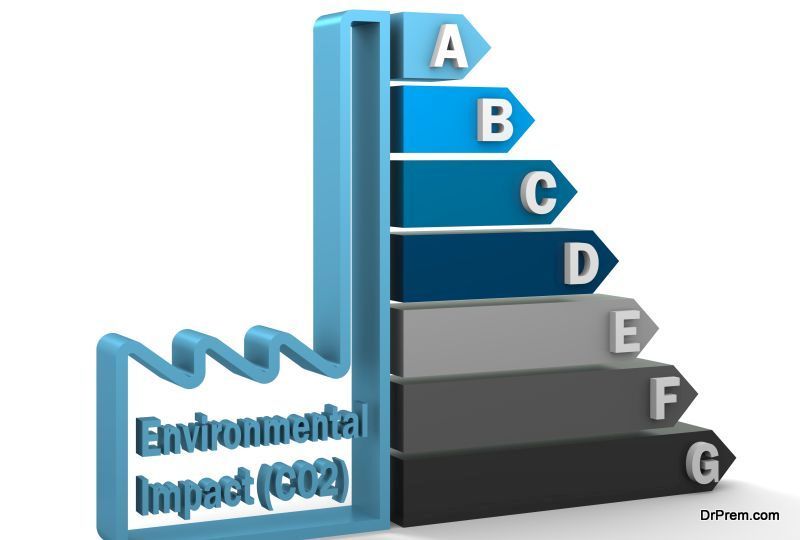
 Principles of reduction of the environmental impact of production involve many steps. The most important out of these is using materials that have as little impact as possible on the environment. Furthermore, it also includes manufacturing products in a way that consumes as little energy as possible and creates minimum waste. One should pay attention to saving energy. It directly affects the volume of greenhouse gas (GHG) emissions that cause global warming.
2. Efficient generation of electricity and heat
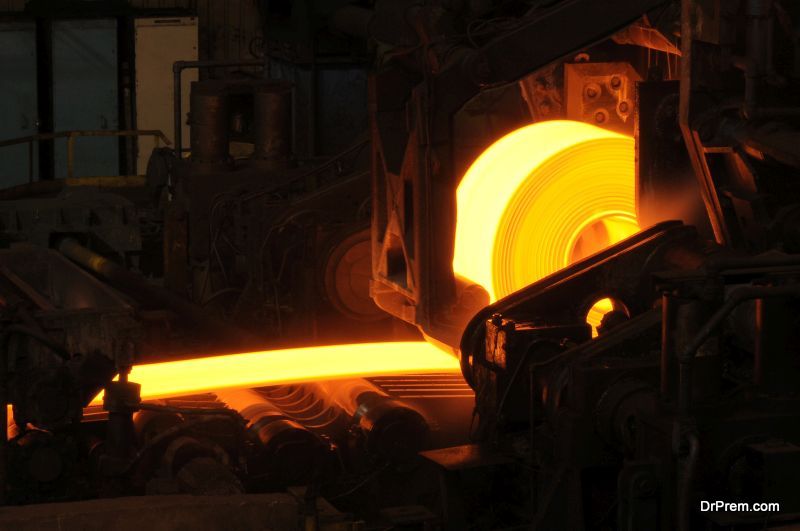 Cogeneration (CHP: Combined Heat and Power) systems installed at plants have played a major role in achieving our energy saving goals related to production activities. Cogeneration systems generate electricity and useful heat from oil, gas or some other primary energy source. Before CHP systems existed, exhaust gas produced as a byproduct of electricity generation. This would be let out at a very high temperature without this heat being used, but cogeneration systems help to utilize this byproduct heat by boilers to be reused as steam.
3. Generate clean energy
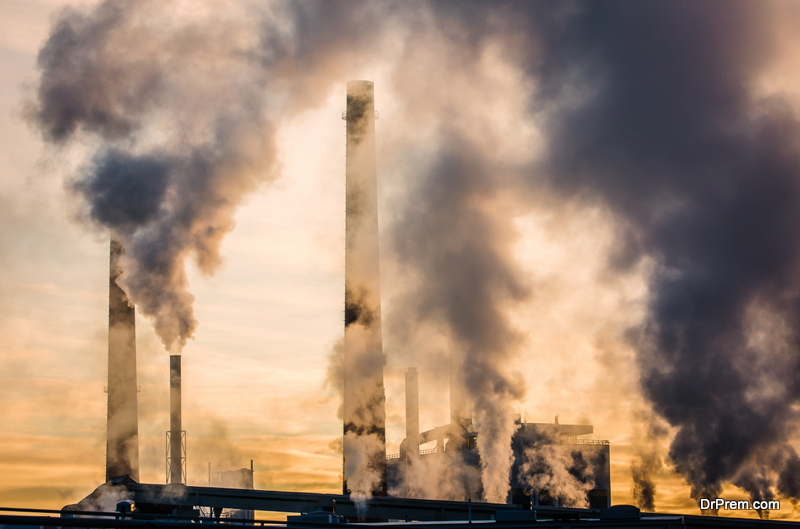
Heat pumps rise in temperature if compressed, and drop in temperature if expanded, and flow from high temperature to low temperature locations. Heat pumps use unutilized heat in air or water as a heat source to raise or lower the temperature of a coolant by compressing or decompressing it.
Extracting energy from ambient air or ambient water and generating no emissions, heat pumps have long been used in air conditioners, water heaters and other familiar appliances but nowadays should also be used for manufacturing processes that require hot water. The heat pumps will be able to create heat and cooled water at the same time. The heat will be used for sterilization, and the cooled water for air conditioning and other purposes. When you compare this method with the old method of burning fossil fuels, use of heat pumps helps in curbing of energy consumption and CO2 emissions.
4. Reuse waste products
 In terms of production activities, factories should adopt the zero emissions approach to reducing final disposal waste . Waste should be incinerated to be used as heat energy avoiding waste and generating energy. Factories should also have outside partner businesses take the remaining waste for recycling.
5. Environment-friendly manufacturing
 Companies should focus to ensure that all their factory sites are environment-friendly plants: effective use of resources, reduction of CO2 emissions through the deployment of low carbon process technologies, reduction of water consumption through the use of 3R (reduce, reuse, recycle) technologies, and implementation of environmental management to conserve biodiversity through the appropriate management of chemicals and cooperation with local communities.
Factories can use BOPP bags when packaging food products like nuts, spices, and lollies. These eco bags are green, eco-friendly alternatives to plastic bags made of Biaxially Orientated Polypropylene (BOPP). Hence, its name was derived. Moreover, these food-grade safe bags are quick-heat-sealable and come in block or crimp deal bottom options.
6. Use energy efficient equipment

Recent advances in manufacturing technology have resulted in the production of machinery which is extremely energy efficient. The benefit of this new and improved eco friendly factory equipment is not only for the environment, but also for your factory as the performance would improve and increase productivity. Start up factories can invest in eco friendly machines right from the beginning, so as to support and participate in the Green movement. Green machinery can even be bought at reduced prices, and many manufacturers offer great deals and savings. Apart from that, the many governments offer incentives to green factories and you’d also be saving on energy bills and reducing waste.
7. Change the lighting
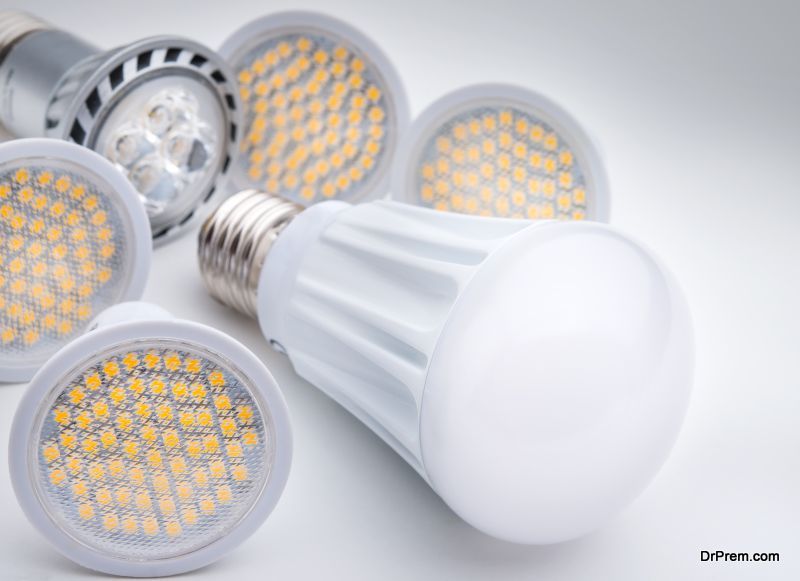 Traditional lighting consumes a lot of energy and generates a higher cost too. The first thing you could do is change over to LED or CFL lights which have much less energy requirement. Another important thing you should start practicing in your factory, is that of switching off lights when not in use. If your factory has both day and night shifts, you may not be able to switch the lights off. However, you can make the most of natural light to reduce the use of artificial light. Removing blinds and shades from the windows during the day is a small change. It can contribute a lot to reducing your ubut’s energy consumption.
8. Source raw material locally

Transportation of raw material is one of the things which leads to increase in the overall carbon footprint of your factory. Raw material which is sourced from a huge distance or is imported, consume a huge amount of fossil fuels, as well as polluting the atmosphere during travel. Sourcing raw material locally will reduce the carbon footprint of your factory drastically, and support the local community too.
Factories can partner with sustainable farmers, fishers, or raw material producers to support them and practice green manufacturing. Most sustainable local raw material producers use organic or natural methods and avoid harsh pesticides or fertilizers. Hence, sourcing raw materials from them can help protect the environment and public health.
9. Change to alternative energy
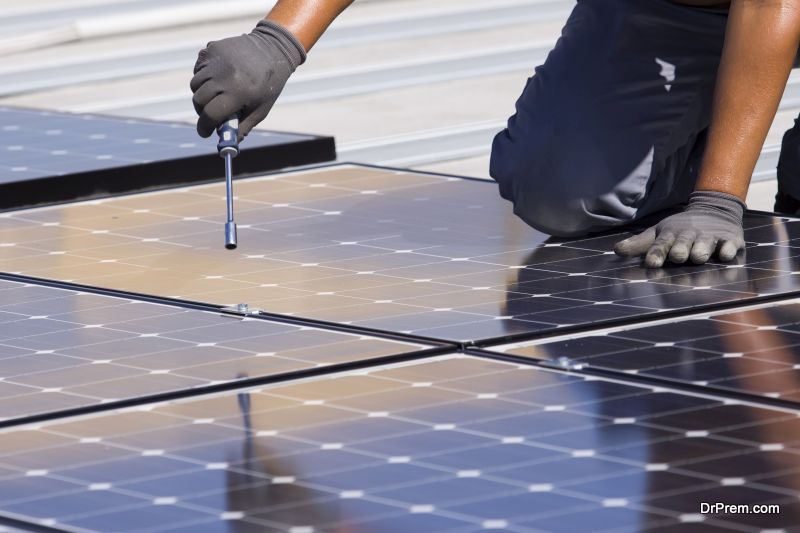 Alternative energy such as wind, solar and hydroelectric energy is one of the best ways to reduce your manufacturing unit’s utility bills as well as supporting the environment. These systems were earlier used only by the wealthiest and largest factories, but now even small scale factories can use alternative energy sources at affordable rates. Your factory can install solar panels and use the stored energy, and you could even sell the excess energy back to the grid.
In addition, factories can get energy supply from deregulated electricity providers. These providers offer flexible and affordable energy sources. In the past, energy distribution was monopolized by giant companies. But this practice has ended with the decentralization or deregulation of energy. Energy users, including factories, can choose from several energy providers depending on the suitable rates.
10. Recycle, reuse and reduce
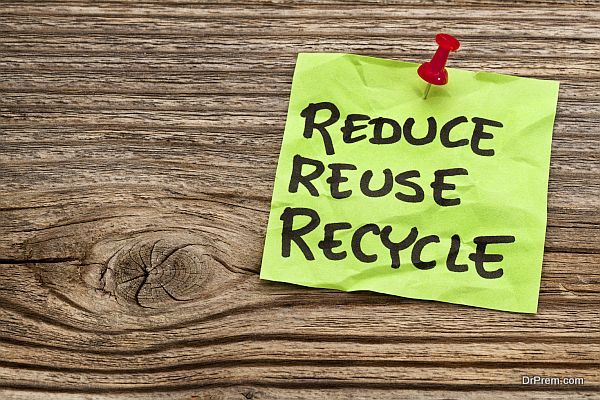 The three ‘R’s form the base of the Green movement. You can develop ways in which you can Recycle the material produced in your factory, which might help to Reduce the use of raw material and Reuse all that is possible to be reused. This will reduce the waste that is produced in your factory. Try and reuse pallets, packaging, plastic and recycle your waste to reduce your carbon footprint.
Investing in advanced equipment for recycling, reusing, and reducing is essential. This step can help reduce or eliminate waste products and produce new products for higher revenue. Of course, factories that practice eco-friendly waste management methods gain the most significant rewards or recognition from private and government agencies. Therefore, these factories have the best business reputations.
11. Shift to new methods of production
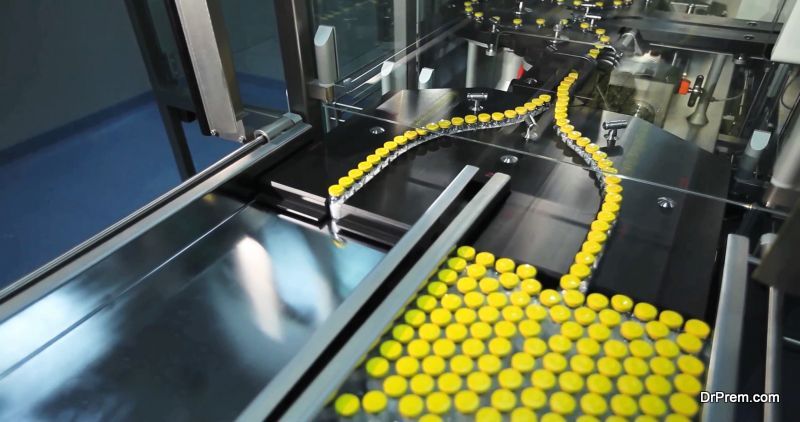 Traditional methods of production have proved to be one of the most polluting factors. Changes can be made in many sectors of industry. For example, new technology has led to the setting up of food growing ‘factories’. These are better than traditional agriculture methods which use a huge amount of water and space. Corporates worldwide are now setting up ‘vertical’ food factories. These have the capacity to produce a huge amount of food in a small amount of spac. Moreover, they also use less amount of water.
Energy saving tricks and tips which are used at home can be applied to your factory too. You and your co-workers have to inculcate an eco-friendly mindset so that you can be a part of the Green movement successfully.
How adopting eco friendly technology can steer the industry ahead?
 Eco-friendly technology is also known as clean tech, green tech and environmental tech. Eco-friendly technology can help preserve the environment through energy efficiency and reduction of harmful waste. Green tech innovators use the latest environmental science and green chemistry to reduce the harmful impact of human activity on the earth.
Green technology is still in the earliest stages of development, but many exciting innovations have already been made in areas like renewable energy, water purification and waste management, as well as in everyday consumer products like electronics and vehicles.
Environmentally friendly technology is a rapidly growing field that focuses on new scientific and technical methods that benefit the earth. Also referred to as “green technology,” this area is dedicated to preserving our natural resources. This involves both the development of new technologies and the improvement of existing ones. The term environmental technology is also used to describe a class of electronic devices that can promote sustainable management of resources.
Eco-friendly technology often involves some of the following:
- Plant-based materials
- Reduction of polluting substances
- Reduction of greenhouse gas emissions
- Renewable energy
- Energy-efficiency
- Multi-functionality
- Low-impact manufacturing
Recently, new innovations in the field of green technology have included highly efficient LED lights, which could be used to make countless other gadgets more environmentally friendly, as well as promising growth in lesser-known renewable energies like algae oil. Energy is one well-known area of green technology. Sustainable sources of energy include wind power, hydroelectric power, biofuels, and solar energy. These environmentally friendly technologies can now be used to power homes, businesses, and even small electronic devices.
Companies that are going green
 Now-a-days you will find not one but many businesses that have boarded the ‘green’ express and making their way to a healthier and a greener tomorrow. These environment friendly businesses extend in every category from daily use products to advanced gadgets and even transport companies are also turning their way to being environment friendly. These companies make use of green or eco friendly practices and that is what makes them environment friendly. The green businesses make it a point to stop using all the bad methods that can harm the environment in any manner at all.
Major companies like Dell and Google are taking notable steps forward with eco-friendly technology in projects ranging from plant-based packaging to vast wind farms.
While these inventions, improvements, and scientific developments can have a worldwide impact on our global ecosystem, they also affect people on an individual level. Many green technologies directly affect the everyday lives of those who use them. By improving the way people perform basic tasks such as cooking, cleaning, or heating and cooling their home, green technologies are able to reduce the environmental impact that families have on the earth every day. Eco-friendly technology innovations such as these will continue have a tremendous impact on the tech industry, especially when implemented by companies with a large influence on consumers.
Final Words
Environment loves us therefore it becomes our duty to love it back. It is a much-known fact that environment is facing a lot of threats these days from demons like pollution and deforestation. It is high time that we realize the importance of preserving the environment from any possible threat. People today have begun to realize this and have started to adopt environment friendly practices. Not just people but many business organizations too have gone green! It is a wonderful thing that finally people have realized their duty and responsibility towards their planet and are working vigorously to save it and make it a better place for the future generations.
The businesses must try and become carbon neutral if they want to qualify as eco-friendly organization. Carbon happens to be one of the deadliest elements that are among the major causes of polluting the environment. Therefore, the businesses must try their best to transform into carbon neutral firms so that they can do their bit for the planet. There are many ways in which a business can become environment friendly and become a friend of the environment rather than being a threat to the same. These eco-friendly techniques are helpful not only to the planet but they are also quite helpful to the business and its overall growth.