

Eco-friendly products are fast becoming a priority for the world considering the damage our universe is exposed to with chemicals and environmental pollution. Thanks to the Internet, most of the millennials around the world are better aware of the environment than they ever were. It is no wonder that it is in trend to be eco-friendly. In fact, more and more people are preferring eco-friendly construction. However, keeping the same fact in mind, there’s also a lot of greenwashing going on around the world. Under the label of green building materials, many people are selling materials that aren’t just ordinary, in addition, these people also charge exorbitant prices for these. Therefore, before going for building materials that are sustainable, it is necessary that we first understand what exactly constitutes eco-friendly building materials.
Seven criteria to evaluate eco-friendly building materials
While eco-friendly buildings are constructed on a large scale, it is also very important to check the authenticity of the claim and evaluate whether we are using eco-friendly building materials. Discussed below are seven criteria for evaluating these building materials:
1. Recyclability
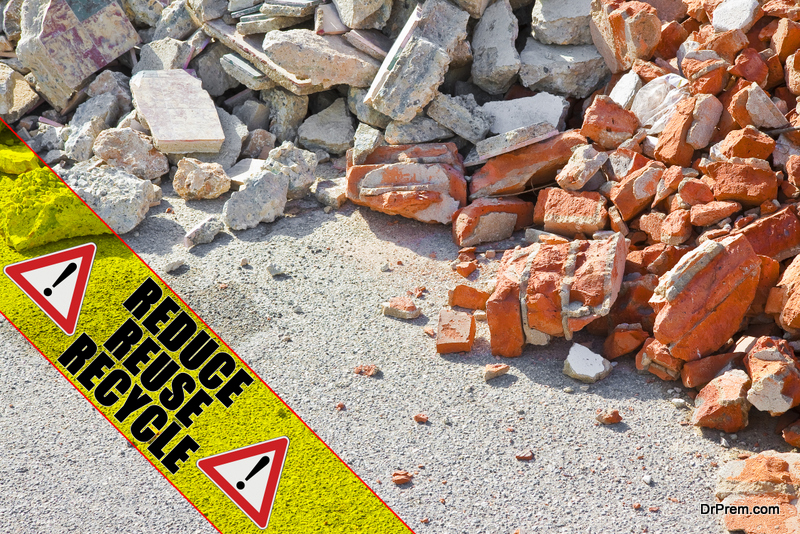 The first and foremost thing that has to be checked is the recyclability of the product that is used for the building. This would include assessing the material as to whether it can be reused for any other purpose. If the material cannot be reused and will go as a waste afterward cannot be considered as eco-friendly. You must also check whether the material used is made in combination with recycled material or is an entirely recycled material to fit into the ârecycledâ category.
Percentages of whether the material used, which can be post consumer or post-industrial is entirely recycled or reused or what would be the procedure for recycling and reusing the material etc. too will have to be considered while assessing the eco-friendliness of the building material.
2. Renewable Resources
The earth’s resources are getting reduced at a disturbing rate and hence the need to use renewable resources like solar power and wood rather than using fossil fuels. When we use the resources from the earth, the ecosystem is disturbed and many animal and plant species become extinct. Renewable energies can always be renewed and planted back unlike fossil fuels which keep depleting as we use it. Thus wood, paper, grass, soil, organic cotton, wind, tidal and solar energy must be preferred to petroleum, coal etc.
3. Locally Produced Products
 The products used must be produced locally as this will help in reducing the cost of transportation and pollution as well. Transporting goods from other areas will waste natural resources like petrol and diesel and also prevent pollution of the air. It will also boost the economy of the local government as the goods are locally produced.
4. Energy Efficiency
Energy efficiency of the building material used, the site of the building, the structure of the building etc. are factors that help in the long term energy conservation, which makes it eco friendly. Building construction and operation takes up more than half of the worldâs energy and hence making sure that you have the best energy efficient materials and site identified for the construction is very important.
The site must have the best solar orientation, airy rooms with open windows that can fan in natural air, devices for water consumption, insulation which has higher R-values, eco friendly appliances etc. to keep the energy consumption minimal.
5. Waste Minimization
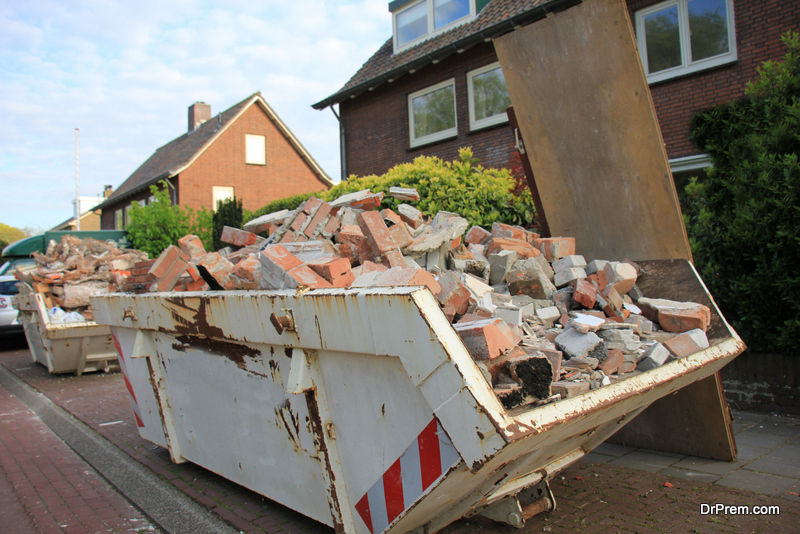 Building construction and maintenance generates a lot of waste that could be non biodegradable. Therefore, using biodegradable products as possible and using products that will have minimal waste or waste that can be recycled or reused must be use for creating eco friendly buildings. Going for products that last longer too is a good way of minimising waste, even though the products may be a bit more expensive that its ordinary versions.
6. Durability
By durability of the product, we mean that the products that are chosen because of their eco friendly nature must last longer for best energy conservation, waste removal and also for reducing the cost of rework and repair. A durable product will have lesser chances of getting spoilt which will improve your profit margin by preventing constant fixtures and replacements.
Always go for products that are branded, have minimal environmental hazard, have greater warranty periods, lesser maintenance and low and easy to handle interfaces. These will ensure that your maintenance cost will remain minimal as well.
7. Environment Friendly
 For a product or building material to stick to the âenvironment friendlyâ tag, it must have fewer emissions that are harmful to the environment. This means that the product should not emit toxic gases, not produce air pollution during transportation, damage eco systems, cause air as well as water pollution due to the industrial waste, not contain toxic and hazardous products that can cause damage to the environment etc.
The products must also have minimal radiation like electromagnetic or other forms of radiation that can be carcinogenic to people. It must also not pose health problems to human beings and must be a totally environmental friendly version that protects the earth abundantly.
Seven eco-friendly building materials that satisfy most of these criteria
1. Adobe
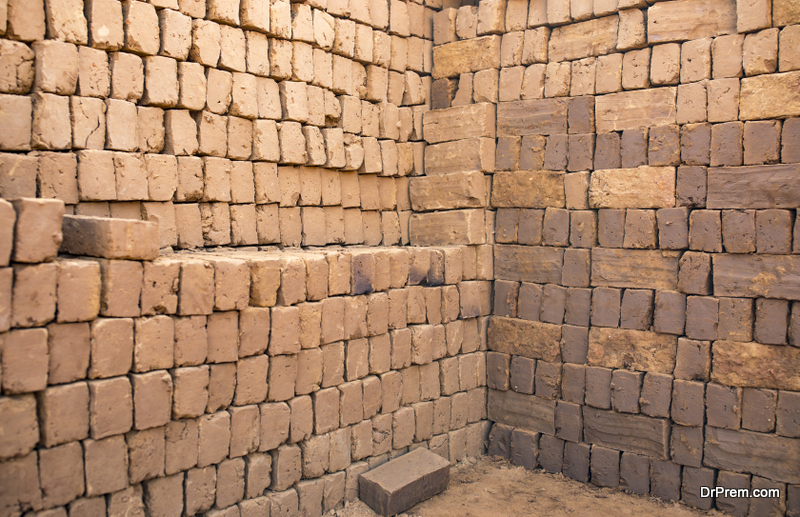 Adobe is known as the oldest form of building material available on earth. The mixture is formed with dirt as the main ingredient. Surprising, but very true! Adobe is formed by mixing adequate water with dirt. At times, other fibers too are added to this to increase its strength and durability. The mixture is then dried in the sun after making it into the shape required for building the house. Most often, adobe is given a brick shape which makes building the walls easy. The bricks are then stacked and mud mortar is used for forming the wall.
2. Cob
One of the ancient forms of building materials that have been in use since centuries, it is very sustainable and eco-friendly. Cob is made from a mixture of sand, earth, and fibers such as straw. Clay too is sometimes used in the place of sand. All these ingredients are mixed well to make the mud very stiff. This is then made into cobs. Cobs can be used over the concrete or stone foundation for building rock-solid houses that are very environmentally friendly and green.
3. Bamboo
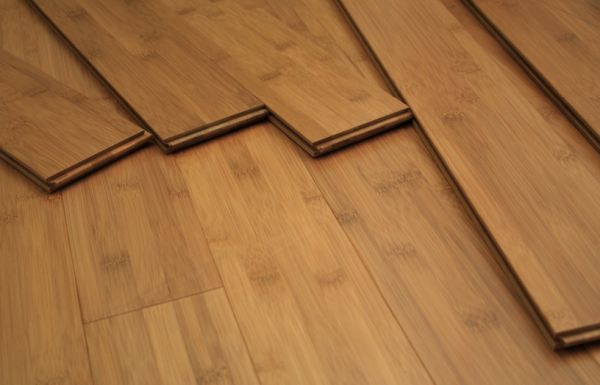 Bamboo is still popular for making furniture and other handicrafts. Furthermore, you can also use it for making floors and houses as well, as it is a very sustainable material. In addition, it grows fast and is very strong as well. During construction, bamboo is used in many areas such as pins which are used for straw bale buildings, as a replacement for rebars etc. Their strength makes them entirely safe and also eco-friendly. Bamboo houses are very attractive and can be very cool and pleasant to live in.
4. Earth
Earth is used in constructing various kinds of buildings. The technique of ramming earth and using it as building materials has been on since ancient times. Sand and clay are used after they are compressed into place to form a flat and smooth surface. For poured earth construction, soil is mixed along with Portland cement to bind it and blended well to form concrete for building. Ordinary soil with certain special qualities is used for poured earth constructions.
5. Cordwood and Wood
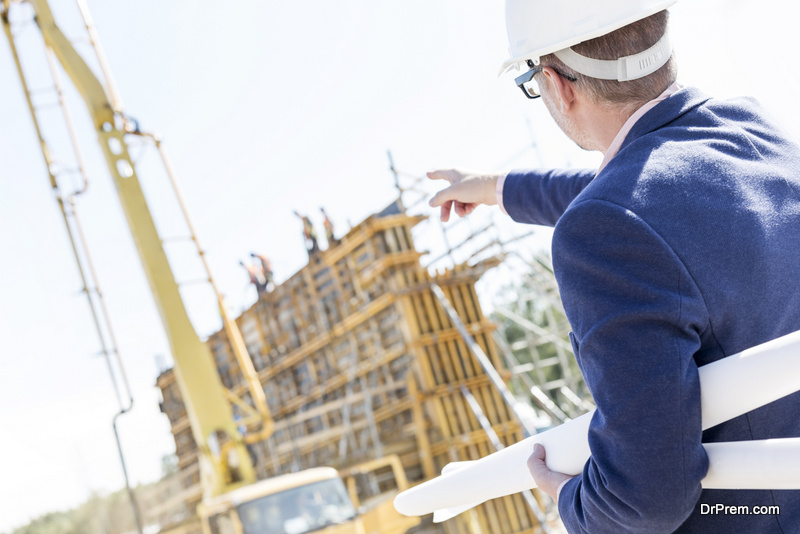 Wood is still a popular material used for building construction. But being expensive and also due to the high maintenance and the number of trees that have to be cut to produce wood, it has become expensive for construction purposes. Wood is nowadays used as trims, for flooring purposes and also for frames. When you use sustainable and renewable wood that is harvested, it becomes cost effective. Cordwood is the firewood that we use for fire pits and cooking purposes. As cord would do not have much value, using this would is very resourceful.
6. Earthships and Earthbags
Earthships are very popular in New Mexico. Whole communities in certain areas in New Mexico like Taos are made of Earthships. The design is an eco-friendly solar architecture style. Here, the primary walls are made of used tires which are filled with earth. These are then stacked up like bricks. After that, the interior surfaces of these tires are then plastered to form recycled and green walls. Earthbags or sandbags are protective barriers that are built around buildings to prevent natural disasters like flooding and also severe weather conditions. The massive wall is constructed with earthbags to make them well sheltered.
7. Masonry
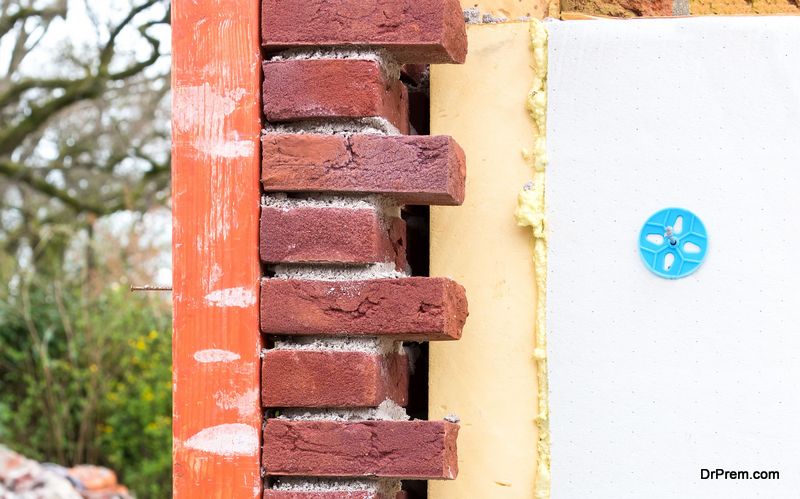 Our ancestors used bricks and stones for constructing shelters that can protect them from weather and wild animals. The trend still remains, though we use them for varied purposes. Masonry includes materials like stone and brick. They are used for foundations, landscaping, walls, flooring, walkways and also for roads. Bricks and stones are very strong and can last for many years without maintenance of any kind.