

It is our duty to live a life, which, if it cannot do better for the environment, should at least not harm it. Most of us tend to shift the blame to the industry for the pollution problem. However, it is just an easy way out. First, industries are manufacturing things for people like us. Second, it isn’t just industries, people like us too contribute greatly to the destruction of the environment. We are not aware that some of our common daily habits are quite bad for the environment. Therefore, it is necessary that we give up the habits that harm the environment and adopt eco-friendly habits to replace them.
Why do we need to be eco-friendly?
One of the important issues facing all of us on the planet is the protection of the environment. The environment is our atmosphere and is the natural surroundings around us. The problem we face is that in the last few decades the environment that we live in has suffered some serious damage due to the lack of eco-friendly habits. This impact of the damage is in the form of air pollution, water pollution, soil pollution, marine pollution, global warming, climate change and change in weather patterns, depletion of forests, loss of animal and bird habitats, depletion of the ozone layer and other such serious environmental problems.
Each and every one of us is somehow in one way or the other responsible for the damage caused to the environment and it is also our responsibility to reduce our carbon footprint in any way that we can. We must do whatever we can to help conserve and save the environment. The following are some of the eco-friendly habits that we can adopt. These eco-friendly habits will individually help us conserve and save the environment in a small way and if many of us start adopting eco-friendly habits it can have a significant positive impact on the environment.
Eco-Friendly Habits
1. Recycling
 Recycling is one of the most eco-friendly habits. Recycling means collecting the waste materials from our houses and dropping them off to a recycling center or bin in the neighborhood. Recycling helps reduce energy usage, reuse reduces the need for new raw materials and helps avoid pollution.
2. Plant Trees
Plant trees in your garden and around the neighborhood. Participate in Tree Plantation drives. Trees absorb the greenhouse gases, such as carbon dioxide from the air and give out oxygen. Planting trees is a very eco-friendly habit and it helps protect the environment.
3. Save Water
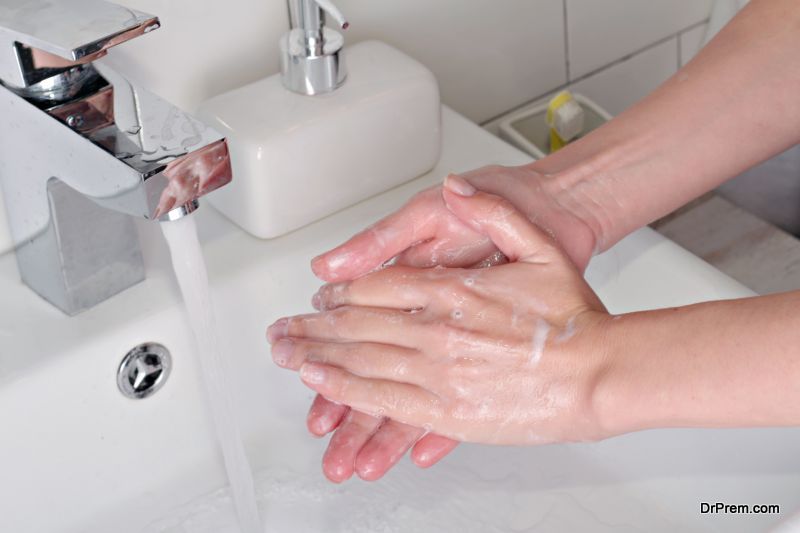 We have already started noticing water shortages in most areas on the planet. A good eco-friendly habit is to conserve water and save as much water as we can. Water wastage must be avoided. Simple habits like having a bath with a bucket of water and not a shower, checking whether all the faucets and pipes in the house are not leaking and using the water judiciously in other household chores. Try rainwater harvesting if it is possible for your house or building.
4. Save Electricity
Turn off the lights, fans and air conditioning when you are not using the room. Use LED lights and energy star approved appliances that use less energy.
5. Switch to renewable sources of energy
 Use renewable sources of energy like solar energy, wind energy whenever you can. Drive a hybrid car and put solar panels on rooftops for energy requirements of the house.
6. Avoid Plastic Bags
Small eco-friendly habits are also very important. Use rechargeable batteries, do not use plastic bags, and avoid using plastic products especially those with short-term use like plastic bags, plastic boxes and other plastic items. A great alternative to plastic bags is paper bags or bags made of jute and cloth.
7. Use eco-friendly products

Try and use eco-friendly products as many different products that we use every day generally have eco-friendly alternative options like there are eco-friendly house cleaners, eco-friendly personal care items, eco-friendly furniture and other eco-friendly household items.
Being eco-friendly and trying to protect the environment is a state of mind. When a person is convinced that having eco-friendly habits is beneficial to the environment and it is the right thing to do; then that person will take steps in order to be more eco-friendly. Thus, the individual will develop habits that are eco-friendly in nature and help in protecting the environment.
Daily Habits That Are Very Bad for the Environment
All of us are responsible to conduct ourselves in a way that does not cause any damage to the environment. We know how industries pollute the environment, but did you know that some of our habits too put a strain on the environment. It’s easy to put the blame on issues such as exhaust fumes, industrial waste, drilling the oceans and so on, but we are not aware that some of our common daily habits are quite bad for the environment. Here are some things we do which harm the environment:
1. Frenzied consumption of paper
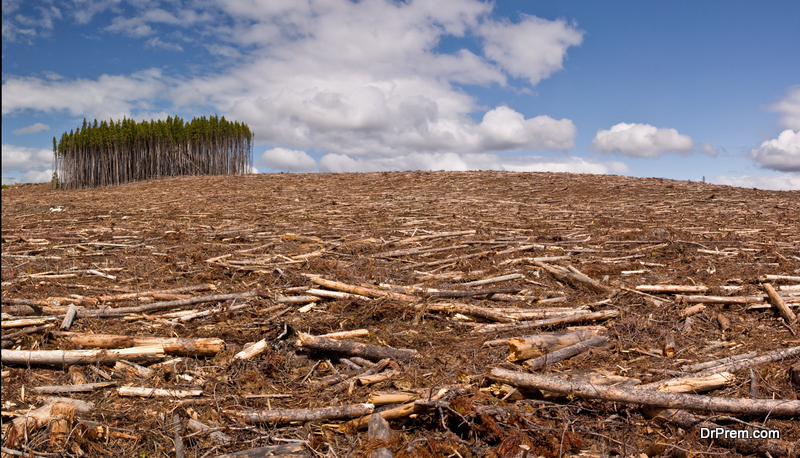 One of the reasons behind the blind shave of forest layer over the earth’s surface, papers have seen an increased demand with the growth in lifestyle and the altered definition of hygiene. Here, we are talking about the mounting use of paper towels and tissues that are witnessing a steady increase in demand yet in many parts of the world. The reason generally given to justify the use of paper towels and tissues is that it is disposable, and hence chances of infection are reduced by a considerable unit.
Well, there is definitely a reason that we all need to accept apart from the hygiene front – convenience. With paper towels, we almost forget the hurdled efforts that need to be put into the maintenance of clean cloth napkins and the wetness of water. With an equal ease, we forget that each tissue that we use, increases the toll on forests. Probably, when we think before tearing off a reel of paper napkin, we could be saving trees.
2. Addiction to plastics
Another outcome of the selfish run to achieve a better life! Plastic bags have caused enough damage to the environment. Apart from the usually felt pollutive outcome, plastic bags also charge a lot of petroleum sine gallons of petroleum oil are required to produce this polymer. Plastic bags have caused so much of a havoc and nightmare to environmental departments of nations, that Governments of many nations have made it a legal issue to use plastic bags. Many campaigns have seen their successful execution against plastics. An appropriate awareness against plastic at an individual level could get rid of much of the present plastic pollution scenario.
3. Negligent forgetfulness
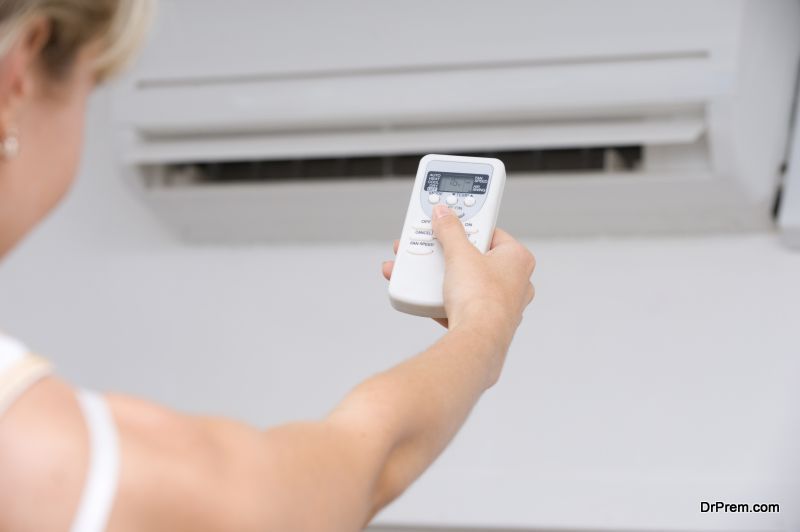 Many of us have this habit to forget easily. But in our innocent forgetfulness, we often forget that we are causing untold harm to the environment. Forgetting to switch of electric appliances while leaving the room is a big psychological disorder that is worming most of the world’s population today. People forget to switch lights, fans and air conditioners when they leave their rooms. It is not only the wastage factor in question! Production of power at most places on the earth still requires tons of coal to be burnt. If we all try to forget our forgetfulness, a considerable percent of these tons of coal could be saved.
4. Dependence on automobiles
With the growing population and a faster growing lifestyle, the number of vehicles on roads around the world has mushroomed up like anything. The irony is, while we all talk like experts on the pollution problem, very few of us actually ever think that this problem could well be tackled by reducing the usage of vehicles. Most of us tend to take our cars out of the garage and head on to our destination, no matter how close it is to our homes. We all need to make it a point to not to use vehicles for distances which can be covered on foot.
5. Wasting food
 It is one of the formal courtesies never to empty your plate to a sparkling clarity. The whole idea of wasting food just because it is manner less to empty your plate is a misnomer. If all of us stop wasting food, probably many more unfortunate people would get this basic necessity at an easier length. Much of our forests are being cleared to grow food for the increasing population. When there is less wastage, there is definitely less need to grow anew.
6. Throwing off instead of recycling
We all throw away what we do not need, but fail to identify that what we throw away can be used by someone else or at least can be recycled. It is crucial that we understand the importance of recycling. Everything, starting from paper to cloth can be recycled and utilized in a better manner.
7. Using plastic and paper bags
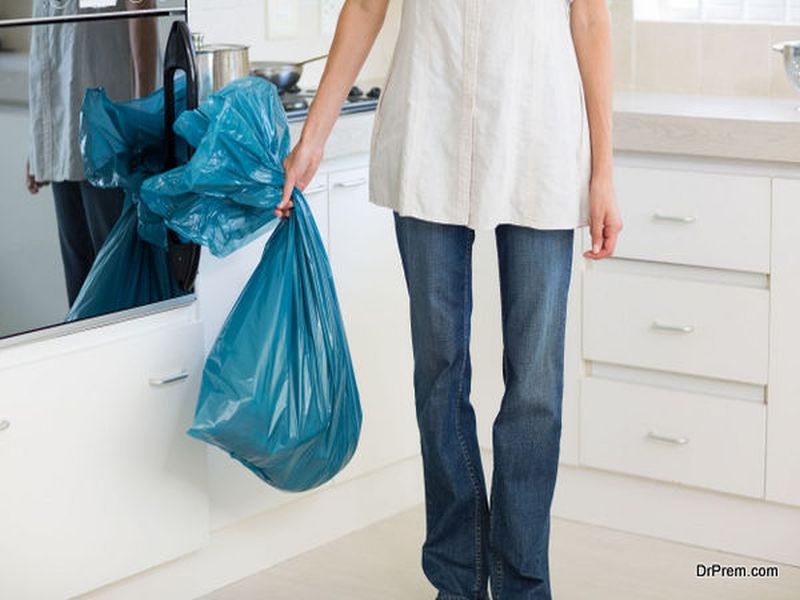 Paper and plastic shopping bags are really convenient but if they’re not recycled, they end up in the landfills. You could use cloth bags which are reusable and stronger than both plastic and paper bags. These reusable cloth bags cost very little and last for years, and have no negative impact on the environment.
8. Leaving on the lights
We can conserve electricity by switching off the lights whenever we leave the room. We should switch off the lights whenever we leave the room. Leaving on the lights in rooms when we are not using them is a bad habit that most of us have. Switching off lights when not required will conserve some electricity, and what’s more, you’d see a reduction in your electricity bill too.
9. Using facewashes with microbeads
 Facewashes containing microbeads are actually quite harmful for the environment. These microbeads are too small to be fitered during the treatment of sewage, and end up in the sea. Small fishes and other sea animals swallow these plastic microbeads. Researchers found 1,500-1.7 million of these microbeads, per square mile in the waters of the Great Lakes. Many states in the US have banned these microbeads. These beads could damage your skin too, if you scrub too hard. You can use natural scrubs like oatmeal to clean your pores and stop using facewashes with microbeads.
11. Boiling water
We hardly ever measure out the cups when we put the kettle on. You may not be aware of the amount of water wasted over the years when you boil more than you need. And of course, you’d be using too much electricity or heat when you boil more water than what is required. So measure the amount of water you need and boil only that amount.
11. Commuting
 Almost everyone has a car these days and this is leading to a huge amount of pollution. It would be a great help to the environment if we all started using public transport once in a while, or cycled nearby distances. Car pooling is also a good solution – you could carpool with neighbors to drop children to school or going out to buy groceries and so on. You could also carpool with colleagues who live near you and go to office together. Car pooling reduces carbon emissions and limits the use of fossil fuels.
12. Washing clothes
Washing clothes is not a bad habit, but using products which contain chlorine bleach is very bad for the environment. Chlorine reacts with minerals in open water and forms dangerous toxins which does not disintegrate easily. Instead of using products with chlorine, you can add baking soda to your detergent powder to enhance the cleaning power. There are bleaches which contain oxygen that are better for the environment.
13. Buying jeans
 Did you know that a single pair of jeans are manufactured using a whopping 2,900 gallons of water? That is an average 130 showers a year! Since we cannot do without our jeans, we can certainly buy a few of them as we can, and save the planet a huge amount of water.
14. Throwing out batteries and ink cartridges
Ink cartridges and batteries should never end up in landfills. Batteries which we use for our household purposes contains toxic chemicals and mercury which cause a lot of damage to the ecosystem. Ink poisons the soil and therefore should be disposed of carefully. It’s easy to recycle batteries and cartridges, so be sure to send these two items to be recycled instead of dumping them in the trash.
15. Unnecessary purchase
 The same concept of preventing unnecessary wastage again! We should by only what is needed. Many of us buy things just for trying, while someone else might need that same thing genuinely. Buying out of craze is not a good habit ad should be improved.
Noting the little things we do and observing how our habits can harm the environment, can help us to change our habits for the better and contribute to conserving the environment.