

Home insulation is an aspect of your home you cannot ignore. Earlier, there were very few alternatives to traditional insulation materials. These days, you can use eco-friendly materials to insulate your home. These recycled materials will keep your home temperature optimum and help to reduce your energy bills as well. whether you are building a new home or renovating a legacy dwelling, you can insulate home using recycled materials such as the ones we have listed.
How to insulate home using recycled materials
We are living in a time when technology advances have many options for the green thinking people. Eco-insulation is now possible, as there are many natural or recycled materials in the market.
These materials, ideally should not have any indoor air pollutants such as glues and binders, which might emit dangerous chemicals. The materials should have undergone the required insect and fire resistance tests, and should be certified by third party certification. They should also be sourced in an eco-friendly way.
Before investing in any insulation material, conduct a thorough research so that you get value for money.
Home insulation with denim
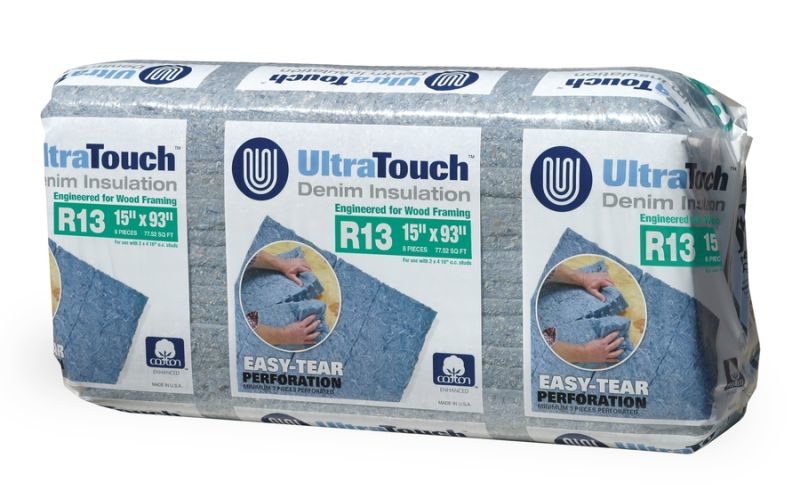 The pair of jeans you sent for recycling may end up being used as insulation for your home. There are some companies, such as Bonded Logic, which have introduced some innovative products made out of 90% recycled denim with 10% cotton fibers to create unique insulation for homes.
As the material is recycled cotton, you can be assured that there won’t be any toxic gases leaking into your home. Denim insulation is easy to install – even your kids can help you install it! This type of eco-insulation is in tandem with your green lifestyle, and will enhance the comfort of your home.
Stone insulation
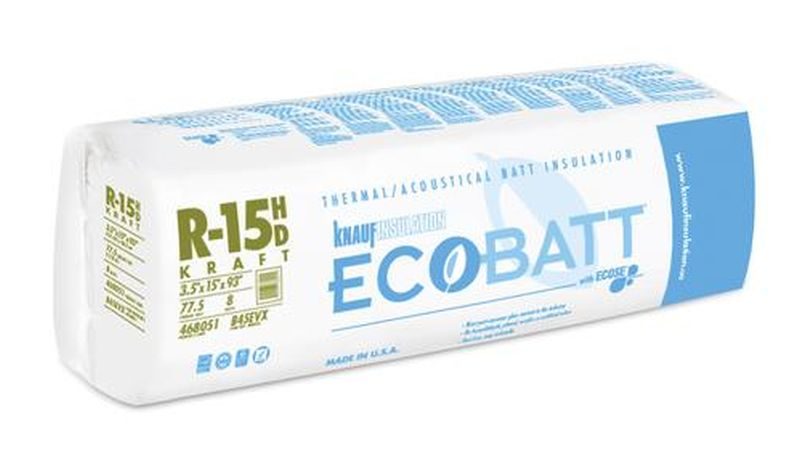 If you want to insulate home using recycled materials, then you can consider a mix of stone, rock and sand as an alternative insulation material. The material is a sand based product, a blend of recycled glass and sand. One of the leading suppliers of this material is EcoBatt, whose products do not have any harmful chemicals and is fire resistant as well. EcoBatt’s insulation material has been certified by Greenguard Environmental Institute as being mold resistant.
Polyester Insulation
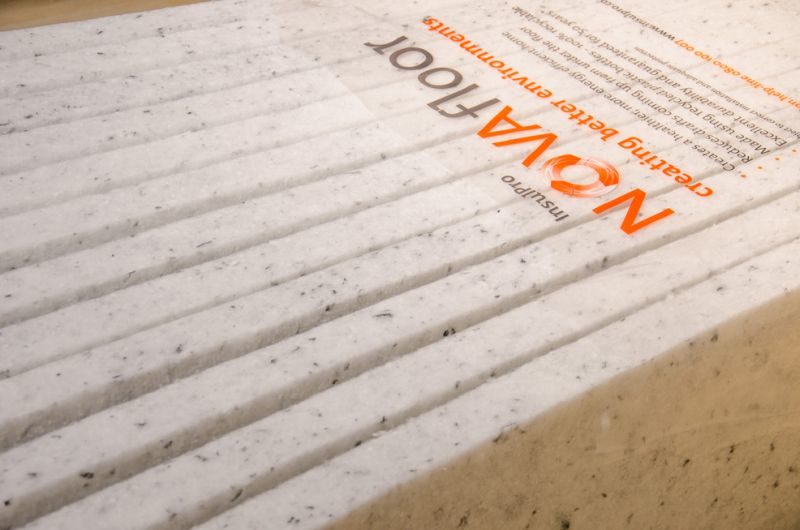 Polyester fibers are used in insulation as the fiber can trap air in and around it. The fiber has the effect of a carpet on walls and ceilings. InsulPro is one of the pioneering companies in polyester insulation. They derive the raw material for insulation from recycled plastic bottles made out of PET, thus saving the environment from plastic pollution.
The plastic bottles are first washed and then ground up into flames, and bonded with heat, not glue. During the process of manufacturing using recycled plastic bottles, less electricity is used, which reduces the environmental impact. InsulPro’s products were declared Red List Free by the International Living Future Institute. Besides, they have been certified as a carbonZero organization as well.
This makes the insulation material from InsulPro a suitable eco-friendly way to insulate home using recycled materials. There are other companies which use polyester as the base for their insulation which you may come across during your research.
Cork Insulation
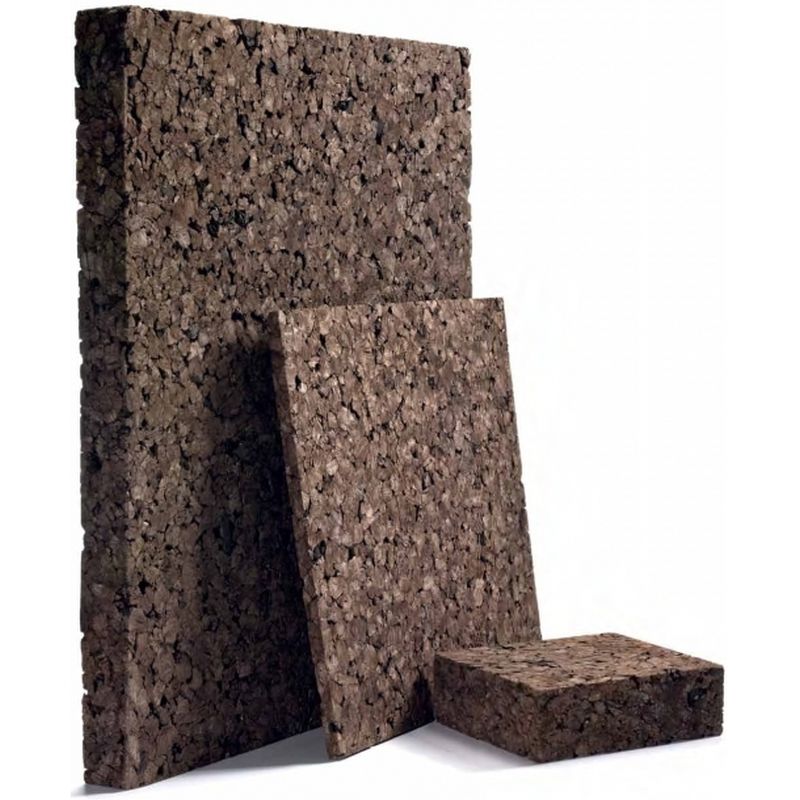
Cork is considered to be one of the best natural insulators. It is durable but expensive, but it is a worthwhile investment as it is beneficial for the health of your family. There are no glues used in cork insulation process, as the cork granules’ natural substance called suberin, binds the granules to make boards. Boards of different thicknesses are available.
Cork board insulation has been used in Europe for some time now, but it has to find a market in America and other parts of the world. However, due to its rigidity, you may have to overlap the boards at the joints to prevent gaps, especially around windows and doors.
Sheep wool insulation
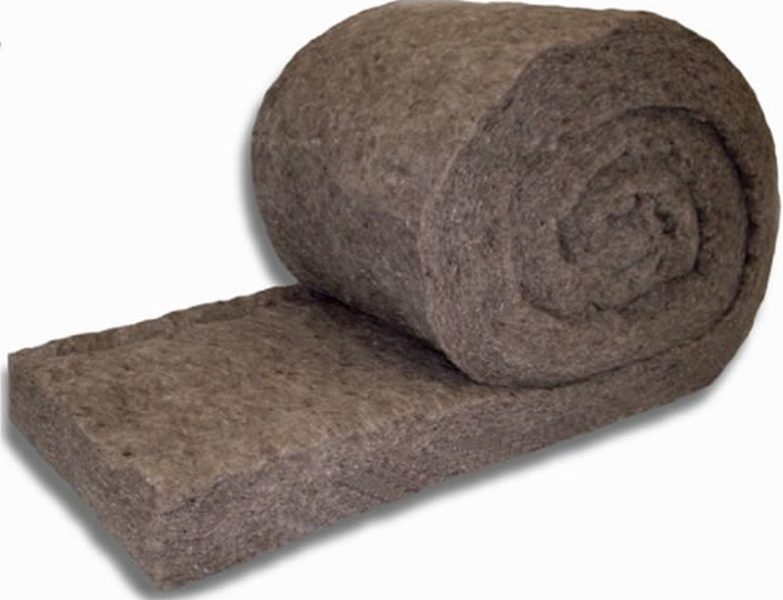 To insulate home using recycled materials, wool is a good option. The products have excellent capacity to resist moisture and fire. Sheep wool is a sustainable material as well. It is produced in energy efficient manner than synthetic products. You can create your own carpet on walls with sheep wool and other blankets and clothes, which could be renewable, sustainable and recycled insulation. You can DIY at home, especially if you have abundant sheep wool around.
Sheep wool insulation is preferred by many as it enhances indoor air by absorbing formaldehyde.
Thermafleece, an insulation material created from sheep’s wool, is available in England.
Hemp and wood insulation
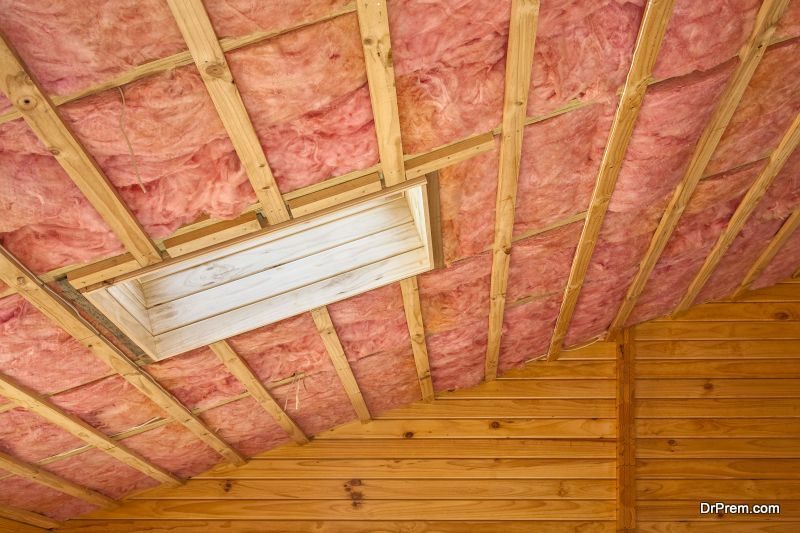 These two materials became popular as sustainable materials to insulate home using recycled materials in Europe a few years back. The material is available in formats of rigid boards, flexible batts and loose fill. When the boards are made using wet process, an additive is used for moisture protection, but the wood is glued by pressure and heat. When dry process is used, synthetic binder may be used to construct the boards.
However, keep in mind that a major risk of this material is high flammability, especially if it is not installed properly.
One advantage is that the wooden-fiber panels have high permeability, which allows easy passage of water vapor. If you are concerned about your walls not retaining moisture, then you can use this insulation for your home.
Cellulose
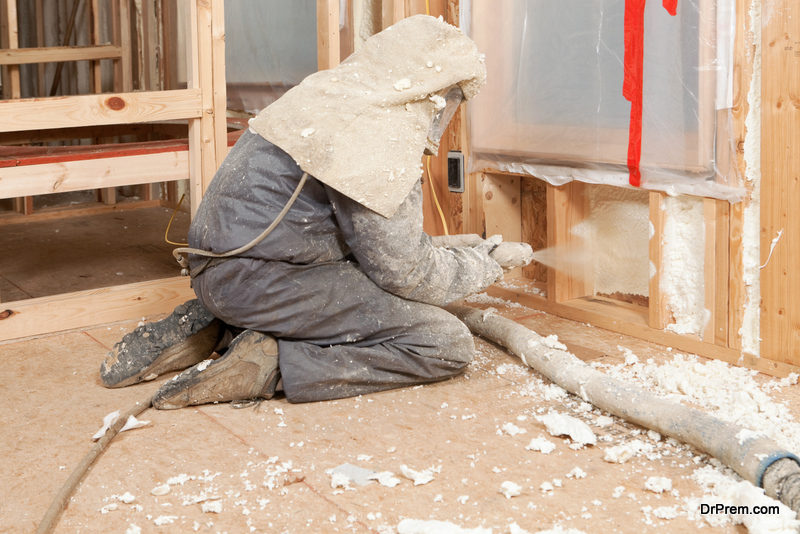 Cellulose is another insulate home using recycled materials, as it is derived from discarded paper or sawdust. It is generally available as a loose fill material. Be careful while choosing the manufacturer, as some unscrupulous ones use virgin wood to make this insulation, instead of using wood which has already been used for other purposes. Newspaper cellulose too is not favorably viewed by environmentalists due to ink content.
Sawdust cellulose, therefore, may be the best cellulose insulation option – but it may cost more.
In the dry method, no glues and binders are used as heat binds the substance. There are netted, dense and damp-spray methods. Cellulose insulation should be checked for quality using infrared camera, while it is being installed, so that the future cost of redoing or fixing is avoided.
While using a green insulation, find an installer who is competent and experienced enough, to seal the recycled installation from hazards such as chimneys, light casings etc. Before installation process, make sure that you address the air leakages in your home for better insulation.