

Water heaters along with HVAC and Thermostat account for almost half of the electricity that we consume in our house. Therefore, if we want to live a more sustainable lifestyle, it is necessary that opt for sustainable options. However, unlike air conditioners and thermostats, it is very easy to go green with your water heaters. You just have to buy solar water heaters, that’s all. Although the same option might be available in ACs too, right now it is in more of an experimental phase. You won’t find as many options in it as you would in case you are buying a water heater.
A solar water heater might look like an expensive deal but if you buy the right one for yourself then it might help you in saving a lot of money on electricity. A solar water heater isn’t always the best option. It has its advantages and disadvantages. So do consider the following factors before you choose to buy one.
10 – Things to Consider While Buying Solar Water Heaters
1. Purpose or Use
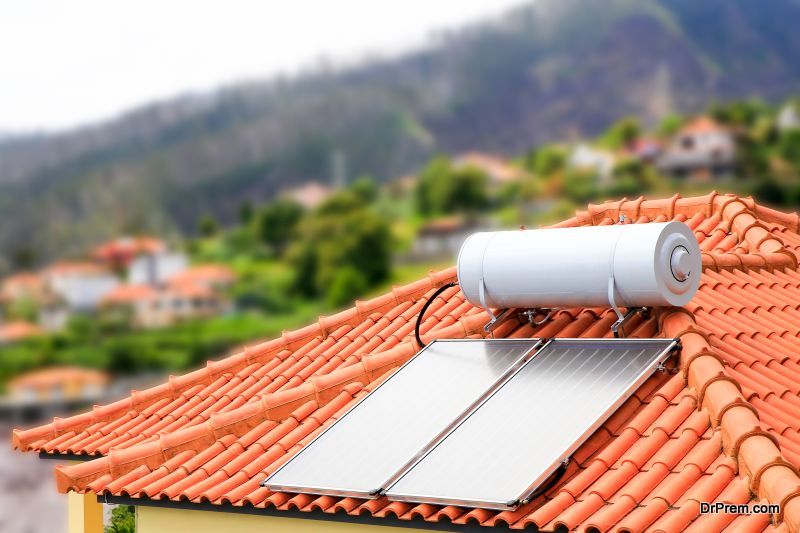 If you own a large establishment and want water heaters for your office building (or for a bunch of apartments) then go for Solar Water Heaters. They’ll help you save a large amount of money on power and you’ll recover their cost in no time. But make sure that you buy a highly effective solar water heater otherwise you might start receiving cold water after a little use.
And in case if you live in a tropical region where one rarely uses a water heater then don’t buy a solar water heater. They are quite costly when compared to electric water heaters. You will never be able to recover their cost.
2. Cost
Solar Water Heaters come in a wide range of prices. But they are generally more expensive when compared to electric water heaters. They might help you in saving money on electricity but their initial cost is high. So if you are permanent resident of a place and think that you’ll be using a solar water heater for a long time then go for it.
3. Type
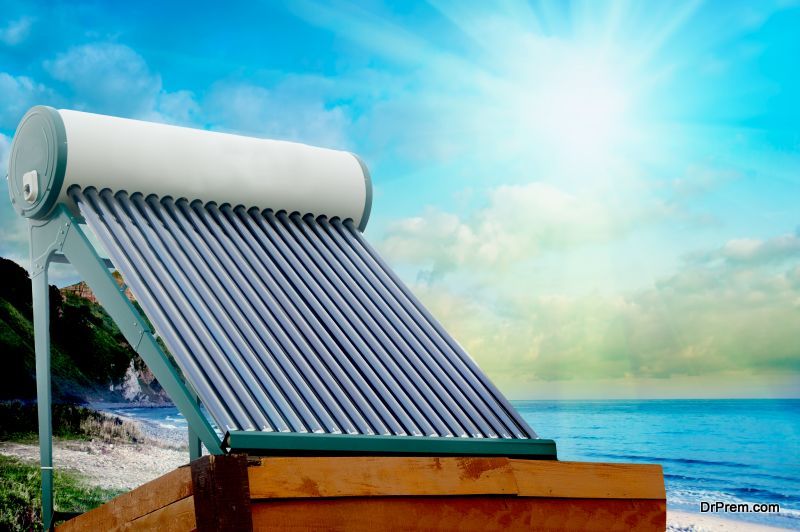
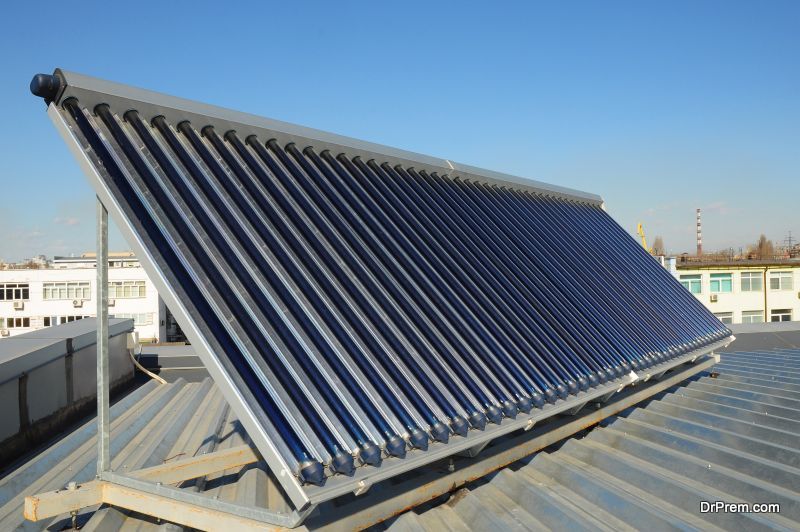 Solar Water Heaters have two types of heating systems:
- FPC (Flat Plate Collector): This system is made of metal and it is quite expensive. The Solar Water Heaters that have this system are more durable and have a longer life. But if you are using a FPC in a region where the temperature goes below zero then you might have to use expensive anti-freeze solutions to protect it.
- ETC (Evacuated Tube Collector): This system is cheaper but it is made of glass so it might easily get damaged. You might have to pay large amount of money on repair. And in case if your water supply provides you with salty water then you will have to use a heat exchanger to protect the heating capacity of this system.
4. Size and Capacity
Bigger Solar Water Heaters are more expensive. But at the same time they are also more efficient. If you want solar water heaters for extensive use then buying a bigger one will always be a better option than buying two small ones. You’ll save on both cost and efficiency.
5. Climate
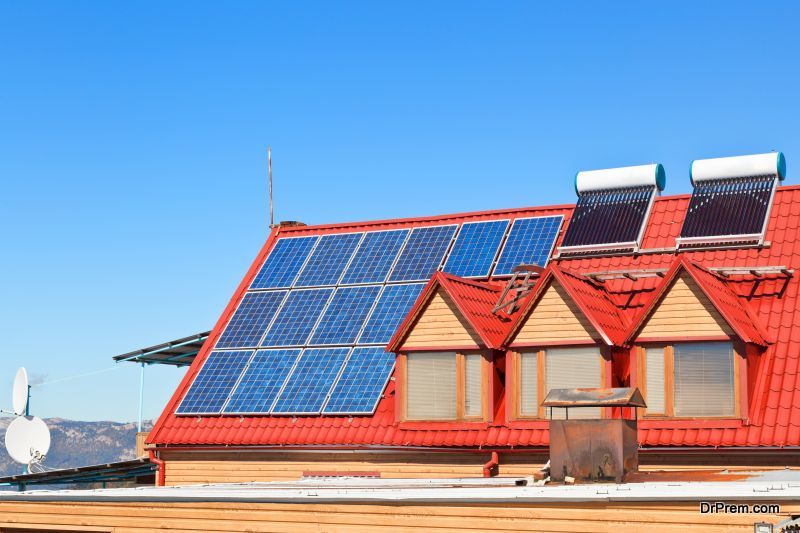 A good Solar Water Heater might survive one or two cloudy days but never more than that. It will start giving cold water after that. If you want to avoid that then you can do two things. Either you can keep a spare Electric Water Heater for emergency purpose or you can buy a solar water heater that also works on electricity.
6. Geographic Location
The heating of your Solar Water Heater directly depends upon the amount of sunlight it receives. It will be more effective if you live in a region that’s closer to the equator. But as you go farther from it, its heating capacity will decrease exponentially.
7. Brand
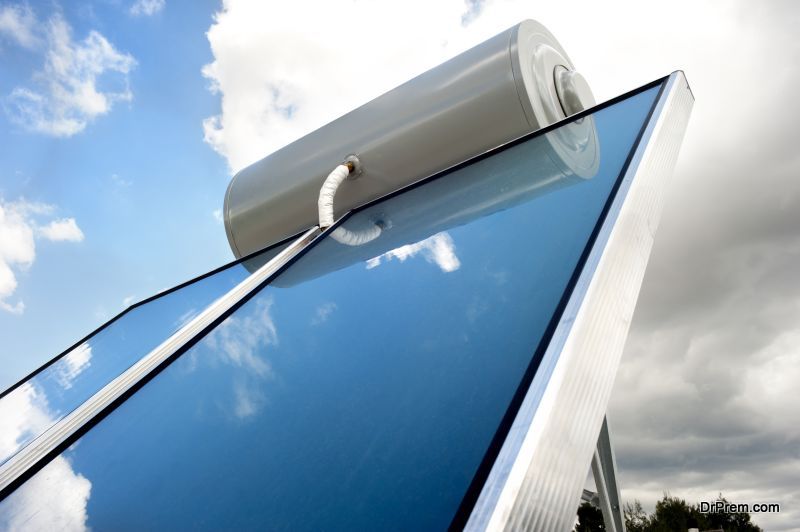 There are a lot of cheaper Solar Water Heaters that are available in the market. But make sure that you buy a branded one. Branded products are trustworthy and they offer better services. Beware of fake brands.
8. Warranty
A warranty is an added assurance that the product you are buying is durable. If you encounter a nice branded Solar Water Heater that also offers a long warranty period, then go for it.
9. Certification
 Most of the countries have a certification standard for such products. So make sure that the product you are buying is certified by your regional or national standards.
10. Reviews
Ultimately it is the user that determines the final quality of the product. So do read the online user reviews about your product before buying it. Pay more attention to the reviews by certified reviewers.
Solar power gadgets other than Solar Water Heaters you can use daily
Apart from solar water heaters, clean energy generated from solar panels can be used in daily life in a number of applications. Solar energy can be converted into electricity or used directly for heating purposes. A lot of countries encourage the use of solar energy and offer tax credits to citizens using them. Here are some of the more common uses of solar power.
1. Heating swimming pools
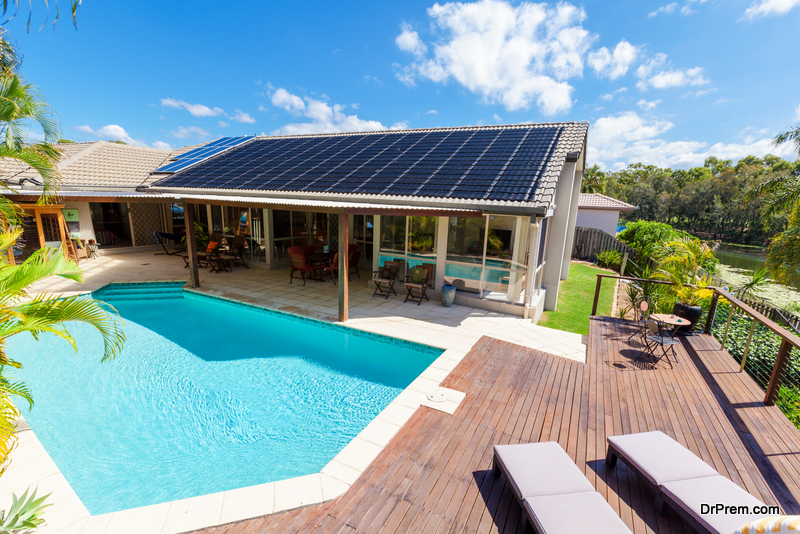 Solar pool heaters are incredibly commonplace around the world. They provide enormous monetary savings when compared to the amount it costs to heat pool water using grid electricity.
2. Passive building heating
Solar energy can be used to heat building passively using an air- or fluid-based system. Heat absorbing tiles and south-facing windows allow the surface of the building to collect heat that can be radiated and carried through the building through the gas or fluid vents.
3. DC Electricity generation
 Solar panels create DC electricity which is sufficient to power small appliances and devices including laptops, mp3 players and cell phones. Depending on the energy requirement of your device and the kind of power you consume through the day, solar panels can be effectively used to charge these commonly used devices.
4. AC Electricity generation
AC electricity is used to power household appliances and a small array of solar powers can easily power a number of appliances that are used every day. Of course, such use requires an elaborate and often expensive installation that is actually a one-time investment and its cost is returned in terms of energy bill savings in under five years.
5. Solar cookers and food dehydrators
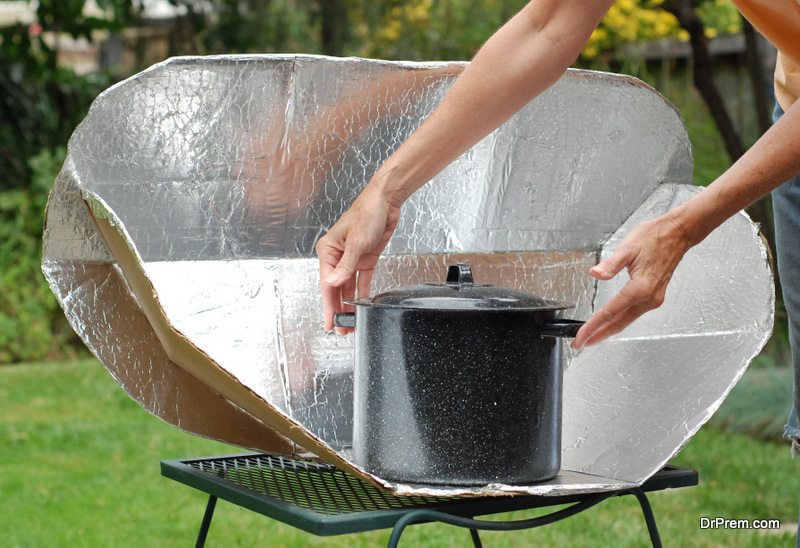 Solar cookers provide a great alternative to gas stoves though they take more than half a day to cook/steam simple foods. The solar food dehydrator, on the other hand, has received a much warmer response as it can dehydrate almost all kinds of food and help preserve them for future use.
6. Solar clothes dryers
If you are looking for a cleaner alternative to your power-sucking dryer unit, the solar dryer might be just what you need. The box-like construction can be installed in your backyard if you get ample sunshine in the area. The method dries clothes naturally which prolongs the life of the fabric as well.