

Foods to avoid during upper respiratory infections
Upper respiratory infections, caused by nutritional stress, can be a menace in themselves, and with an improper diet, these may become even more irksome. Hence, it is very important to avoid certain foods during this period, such as alcoholic and caffeinated beverages, dairy products, hot spicy foods, and so on. Read on to know what kind of foods you should avoid during upper respiratory infections.
Alcoholic and caffeinated beverages, and tobacco
 Although both these classes of beverages are considered to be warm, their intake in large amounts would depress the immune system, thereby increasing the potency of the already existing infection. Alcohol and caffeine also cause stress, i.e. they are pseudostressors or sympathomimetics, which would result in delayed recovery and increased infection. Moreover, excessive alcohol consumption can dehydrate the body, and due to the lack of fluids and nutrition, it would take longer to recover from the infection. But a maximum of two servings of these beverages a day wouldn\’t do you much harm. Teeccino, a herbal substitute for coffee will do good. Herbal tea can also be consumed. Decaff is another option. But alcohol and caffeine should be strictly avoided by individuals with fast arrhythmias, pregnant women, and children.
Smoking results in increased respiratory infections, so stop smoking if you have an infection.
Foods having a high-fat content
 Foods like butter, margarine, mayonnaise, nuts, soybeans (dry), vegetable oils should be avoided during upper respiratory infections. These foods decrease the effectiveness of the immune systems. Thus, their consumption increases the time period of the infection. Only consume these foods in the amounts required in a balanced diet. Low-fat butter and other products can be used as substitutes. But individuals suffering from obesity, arthritis, diabetes, gall stones, asthma should strictly stick to a low-fat diet. Fat consumption should not exceed the amount specified below.
| Total calories per day |
Saturated fat in grams |
Total fat in grams |
|---|---|---|
| 1,600 | 18 or less | 53 |
| 2,0001 | 20 or less | 65 |
| 2,200 | 24 or less | 73 |
| 2,5001 | 25 or less | 80 |
| 2,800 | 31 or less | 93 |
There are a few essential fatty acids required by the body, such as alpha-linolenic acid, better known as omega 3, and linolenic acid or omega 6. These are found in hemp seed, flax seed, pumpkin seed, canola, walnut, sesame, corn, sunflower. These are converted into prostaglandins which reduce allergic response and inflammation. These fatty acids should be consumed in adequate amounts.
Foods having a high cholesterol content
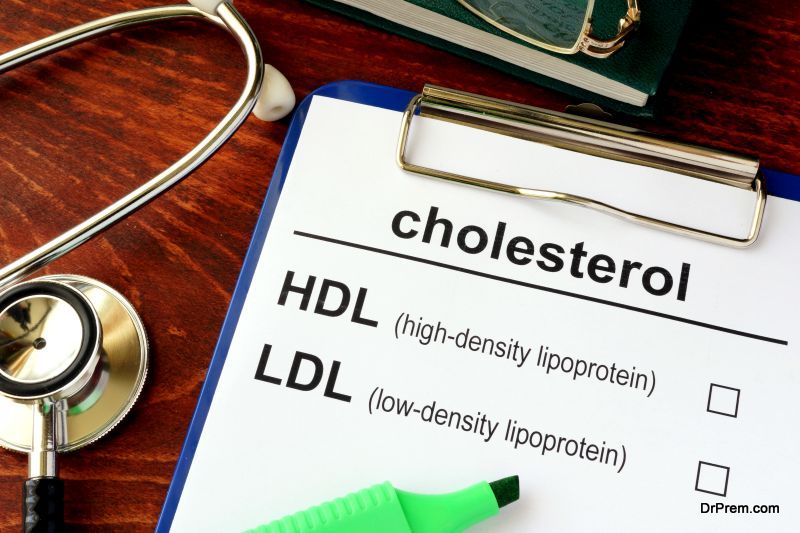 The recommended maximum daily uptake of cholesterol is 300 mg, but you should stay below 200 mg in case of infection. High cholesterol foods such as French fries, burgers, and other fast food items should be avoided as far as possible during infection. High cholesterol levels result in high blood pressure, along with many other illnesses (irrelevant to this particular article). People with high blood pressure or high cholesterol should not take decongestants, which would result in increased congestion. High cholesterol content of the food would also hinder blood supply and hamper the immune system. Individuals with heart disease, atherosclerosis, high blood pressure, diabetes must consume little amounts of cholesterol-containing foods in case of infection. Moreover, foods with high cholesterol content tend to increase body heat, and thus provides the optimum temperature for the growth of infectious microorganisms.
Citrus foods

Citrus foods like oranges, grapefruit, mandarin, lemons, pummelo, citron, are rich in vitamin C. For years people have claimed that vitamin C will cure or shorten the common cold because it boosts the immune system. But vitamin C does not have any beneficial effect on the infection other than acting as a placebo. But these foods have a high acidic content (ascorbic and citric acid), which would increase the irritation in the respiratory tract if consumed during infection. However, in small doses, citrus foods and juices would not do you any harm. A small diluted glass of citrus juices can be consumed daily, but it should be accompanied by a balanced diet.
Hot and spicy foods

During infection, the sinuses are generally swollen. Eating such foods would make you feel better for a while but they wouldn\’t actually cure you of the infection. These foods also increase body temperature, thus providing a suitable environment for microorganism growth, resulting in prolonged infection. In addition to this, these foods also cause or increase persisting irritation in the throat, congestion, the formation of phlegm, coughing, and so on. They should be strictly avoided during infection. People with high blood pressure or gastric problems should not consume spicy foods since it would make them more uncomfortable.
Dairy products
 Dairy products like cheese, milk, yogurt should be avoided during infection as it might lead to increased mucus and phlegm production. Moreover, their high cholesterol and fat content would be a hindrance to the recommended diet. Milk and other dairy products may cause allergies and bad breath. Diarrhea, constipation, flatulence may also be caused. Take these foods in as low quantities as possible. I cannot think of any healthy alternatives to dairy products which can be consumed during infection: try to avoid dairy foods altogether.
Eggs and chicken

These warm the body from within and provide the optimum environment for the growth of infection-causing microorganisms. Eggs are also high in cholesterol: one egg yolk contains 213 mg of cholesterol approximately, which by itself exceeds the recommended cholesterol intake during infection, leave out all the other foods you consume in a day. Consuming eggs might also increase sneezing considerably. Some consider it to be an old wives tale, but some research in this field has shown that it is better to avoid eggs and chicken during infection, although a warm chicken soup would comfort you. Avoid eating chicken dishes.
Artificial sweets and white refined flour

Sweets using artificial sweeteners, such as aspartame, sucralose, and especially saccharin may cause nausea, dizziness, headache, diarrhea, excessive urination, and even tongue blisters. They also pose a long term risk of cancer. It may also cause dental cavities, obesity, and hypertension. These foods should be avoided as they are the source of almost instant glucose in the body, which is a substrate for the growth of many microorganisms.
Whole wheat flour is refined into various forms by bleaching with harmful chemicals, which pose a health risk. Also, refined flour is low in nutrition than whole grain flour. Consume whole grain flour instead. These foods may also act as pseudostressors or sympathomimetics.
But cut down on the consumption of carbohydrates as a whole because they are easily digested and converted into glucose. More the glucose level in the body more is the microorganism growth.
Raw foods
 Raw foods are foods that have not been cooked at more than 118 F, which is not enough for ridding them of pathogens. These foods, if not washed and cleaned properly, would be home to many pathogenic microorganisms. Avoid consumption of these foods as it might result in increased infection and susceptibility towards other diseases. Instead of eating them raw, have them cooked or at least boiled. This might compromise with the taste and texture of the food, but that\’s the least you can do to keep infection away. Although raw foods are richer in minerals and vitamins, the absorption of the same from these foods is not efficient enough to fulfill the needs of the body. Moreover, many problems may occur if you choose a raw food diet: lupus, vitamin B12 deficiency, arthritis, protein deficiency. Hence these must be avoided.
Refined and processed foods
 Avoid high-calorie snacks like chips, cheese snacks, sugary breakfast cereal, canned foods, frozen fish, and so on. These foods result in mineral depletion of the body and their high salt or sugar content is harmful. These foods are not nutritious enough to keep you fit during infection. Consume fresh foods instead of packaged foods, as the latter contains many preservatives, coloring agents, sweeteners, emulsifiers, stabilizers, thickeners, flavoring agents, etc. which are harmfully toxic for the body. Individuals with high cholesterol, heart disease, autoimmune diseases, obesity, should not consume these foods. Others should consume these foods in as low quantities as possible. Stay as far away as possible from products containing nitrates, nitrites, sulfites, benzoic acid, monosodium glutamate, etc. Making the already infected individuals weaker, these foods increase their susceptibility to other diseases.
Avoid Food Allergens during upper respiratory infections
 People are allergic to what they eat. Common food allergens are peanuts, soy, eggs, milk, sesame seeds, mustard. Take a test of allergy to particular foods. Be aware and careful of the foods you\’re allergic to and the amounts in which you can consume them without developing an allergic response. If an allergic reaction occurs, the body will have to do much more work to recover from it, thus making you weaker, and prolonging the infection. Hence, consume the foods you are allergic to in as minimum amounts as possible during upper respiratory infections or refrain from their consumption entirely.