

Losing weight is on the minds of most people, whether it’s to look good or to be fit. It is really tough to lose weight and some people resort to crash diets to attain the weight which is their goal. Rapid weight loss is ultimately not healthy and tends to come back when people start their usual eating/lifestyle habits. There are many complications which can occur when you lose a lot of weight drastically. Here are some of the dangers of rapid weight loss and why losing weight gradually is the right way to drop the extra pounds.
Why rapid weight loss is not safe?
Electrolyte and sodium disbalance
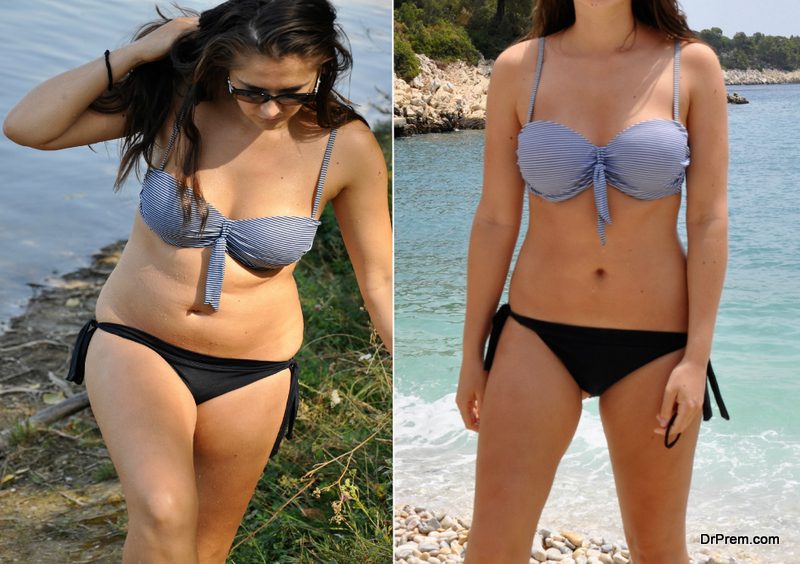
Cutting back on the amount of food your body is used to consume regularly to a miniscule amount throws off your body’s equilibrium. Your body is a smoothly running machine which keeps adjusting to small changes on a constant basis. And when a drastic and sudden change like a sudden reduction of nutrition occurs, then your electrolyte balance will definitely be disrupted.
Electrolytes are important for us as they provide the required electrical current which allows muscles, including heart muscles to contract. If there is a deficit of electrolytes due to your new diet, then there will be a disturbance in the beating of the heart and other heart functions. So side effects of crash diet can be quite serious.
Rapid weight loss leads to sodium loss too. Sodium has to be balanced in the body as too high levels causes hypertension and heart disease, and too low levels make your feel dizzy, light-headed and can fall in a faint. Low sodium diets are quite popular, and if you decide to go on one, you have to keep checking sodium levels.
Dehydration

When you go on a crash diet, you give up a lot of food and along with nutrition, your body experience a shortage of water, which leads to dehydration. Dehydration causes fatigue, constipation, headaches which are quite uncomfortable. If it continues for quite some time, it can cause kidney problems such as impaired function of the kidneys and formation of kidney stones.
Nutritional deficiencies
When you aim for rapid weight loss, you follow a diet pattern which maybe a third of what you used to eat. You may be consuming lesser calories, but your body is also receiving less vitamins and nutrients. You can get to know that your body has nutritional deficiency when it shows a few symptoms like brittle bones, hair and nails, fatigue, anemia due to calcium, phosphorus, vitamin B12 and iron deficiency.
In order to look good, you may be putting your body through a traumatic time, resulting in things like dull skin, weakness. Therefore the side effects of crash diet seem to indicate that losing weight rapidly with extreme diets is not a good idea.
Other consequences of dietary deficiencies are:
- Hair loss: Nutritional deficiencies might cause your hair to fall out. If you are facing hair loss, during your fight with the weight, you have to consider taking supplement, slow down on the diet, and consult a doctor.
- Extreme fatigue: If there is a lack of vitamin B12, folate and iron due to the low calorie intake of food, you may experience extreme fatigue which makes it hard to accomplish your normal day-to-day jobs.
- Immune function impairment: If you don’t get enough nutrients and calories, your immune system might become weaker which increases the risk of being more prone to infections.
Lean muscle is lost
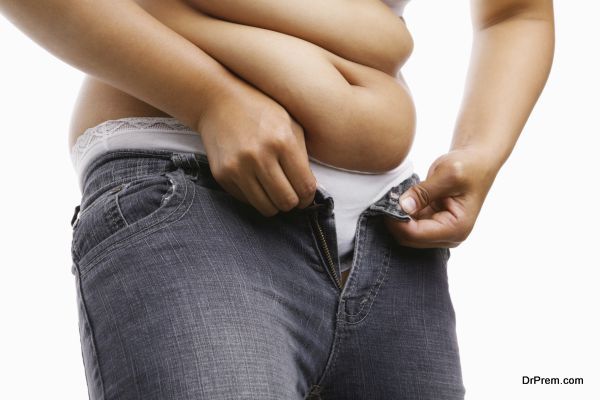 When you lose weight too fast, you can end up losing fat as well as lean muscle mass and bone. This decrease in muscle mass, which is free of fat, leads to the slowing down of metabolism. This causes rebound effect when you get back to your normal diet or when you start exercising.
The body metabolism slows down
 The very thing which you are aiming for, i.e. to lose weight fast will be thwarted by a slowed metabolism. The body metabolism determines the amount of calories that you burn every day, and your genes, gender and age also plays a part in the speed of metabolism. But when you lose weight quickly, you can lose muscle as well, and will actually burn less calories in time, as your metabolism slows down.
Loose skin
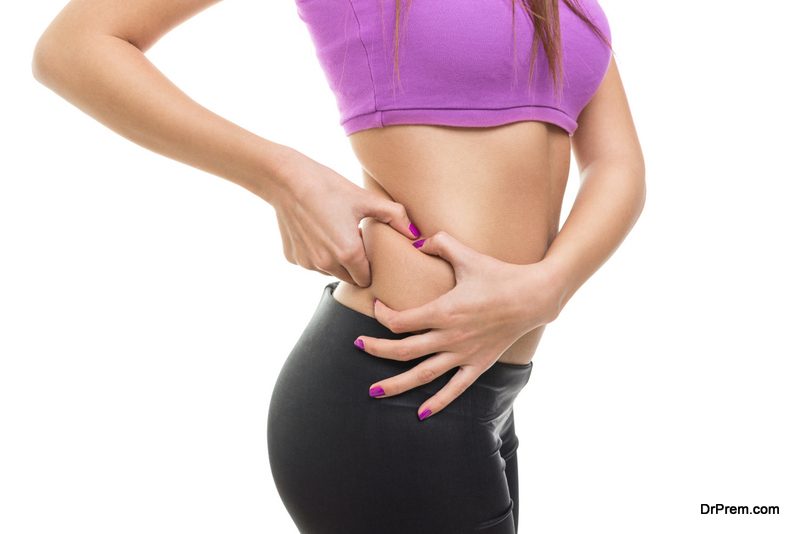 Rapid weight loss leaves a lot of loose skin in the arms, legs and abdomen. This is usually the case as the skin loses elasticity and does not get enough time to shrink, at the same pace as the body. This may make you uncomfortable and cause considerable mental distress. If the skin does not contour naturally to your body, you have to undergo surgery to correct it.
Gallstones
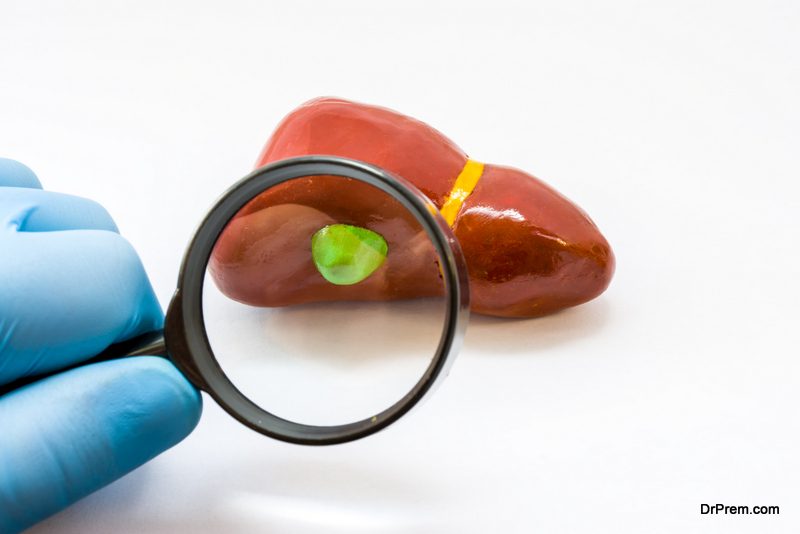 So is it safe to lose weight rapidly? It’s not, as there are so many complications, including developing gallstones. Gallstones are formed by the solidification of cholesterol in your gallbladder. These stones are harmless in themselves, but people suffer from extreme abdominal pain and nausea till ultimately they have to be removed. Being obese is a reason to develop gallstones but losing the weight too quickly also leads to formation of gallstones.
Liver problems
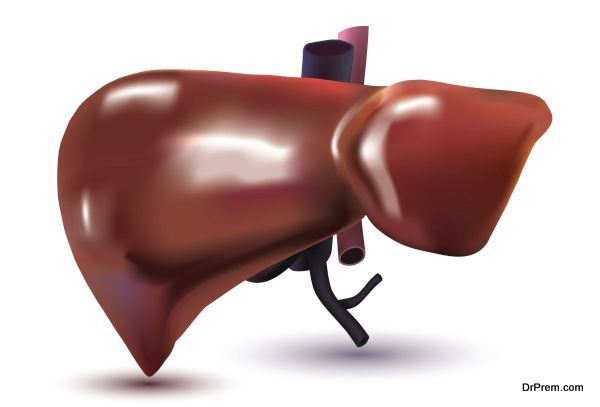
Maintaining the right weight is crucial, as too much weight leads to health problems and rapidly losing it too is problematic. For example, excess body weight might lead to fatty liver disease, and when you lose too much weight too fast, you are at risk of developing some liver damage.
The perfect speed of weight loss is…

Scientifically, the best way to lose the extra weight and keep it away is to lose 1-2 pounds or .45-.9 kg every week. Follow a healthy diet which contains enough nutrients and calories. Many studies have shown that steady rate of weight loss is safe and easy to maintain.
Losing weight drastically leads to many ill effects – fatigue, slower metabolism, developing gallstones and other health risks. It’s best to consult a dietician or nutritionist when you’re starting on your mission to lose weight.